


How to Get the Best Out of Your Hot Tub in the Summer

Picture this: it is a warm July afternoon in Oxfordshire. The garden looks lovely, the sun is out, and your hot tub is sitting there covered up, unused, because you assumed it was only for cold winter evenings. It is one of the most common misconceptions we hear at our showroom. The truth is that a hot tub can be one of the most enjoyable features of your garden all summer long, provided you know how to use it properly.
In this guide, we will walk you through everything you need to know about getting the most from your hot tub during the warmer months. From adjusting the temperature to managing your water chemistry and turning your spa into the centrepiece of a summer gathering, there is plenty to explore.
The Quickest Change You Can Make: Lower the Temperature
If you take nothing else from this article, take this: you do not need to keep your hot tub at 38°C to 40°C in the summer. Dropping the temperature to somewhere between 26°C and 32°C transforms your spa into a genuinely refreshing cool plunge, perfect for winding down after a long day in the sun or soothing tired muscles after a weekend of gardening.
Many homeowners are surprised to discover that a cooler soak can feel just as indulgent as a hot one. On a warm British evening, stepping into water at around 30°C feels wonderfully refreshing without the heavy, drowsy feeling that very hot water can bring. It is a simple adjustment that makes a significant difference to how often you actually use the tub during summer.
Water Care in Summer: Why It Matters More
Warm weather changes the demands on your water chemistry, and this is the area where many hot tub owners come unstuck during summer. Heat accelerates the growth of bacteria and algae, and sunscreen, body oils, and sun cream that guests bring into the water can quickly throw your chemical balance off.
The practical advice here is straightforward. Test your water two to three times a week rather than the once-a-week routine that might suffice in winter. Keep your pH between 7.2 and 7.6, and ensure your sanitiser levels remain consistent. A weekly shock treatment is particularly important during summer to break down the organic compounds that build up more rapidly in warmer conditions.
Asking guests to shower before entering the tub is not just good etiquette; it genuinely reduces the amount of sunscreen and body products that end up in the water. It is a small thing that makes a noticeable difference to how long your water stays clear and balanced.
Filter Maintenance in Summer
Your filters work harder in summer, particularly if the tub sees more frequent use. Rinse the filters with a hose every week, and use a proper filter cleaning solution every four to six weeks to remove the oils and residue that a simple rinse cannot shift. A blocked or dirty filter forces the pump to work harder, which increases energy consumption and can shorten the lifespan of the equipment.
Making the Most of Summer Evenings
There is something genuinely special about a hot tub on a warm summer evening. The air is still, the sky is darkening, and the garden feels like your own private retreat. This is where a hot tub earns its keep, and it is worth thinking about how to create the right atmosphere.
Lighting makes a significant difference. If your tub has built-in LED lighting, experiment with different colours to set the mood. If you don't have music built in your hot tub, a waterproof Bluetooth speaker nearby means you can enjoy music without worrying about splashes. If your tub is in an exposed part of the garden, a pergola or shade sail overhead not only provides welcome shelter from the sun during the day but also creates a more intimate, enclosed feel in the evening.
Timing matters too. The most comfortable window for summer soaking is typically early morning, before the heat of the day builds, or from early evening onwards when the air temperature begins to drop. Midday soaking in full sun is rarely enjoyable, and it can cause the water temperature to rise beyond your thermostat setting if the cover is off for extended periods.
Hot Tubs as a Social Space: Summer Entertaining
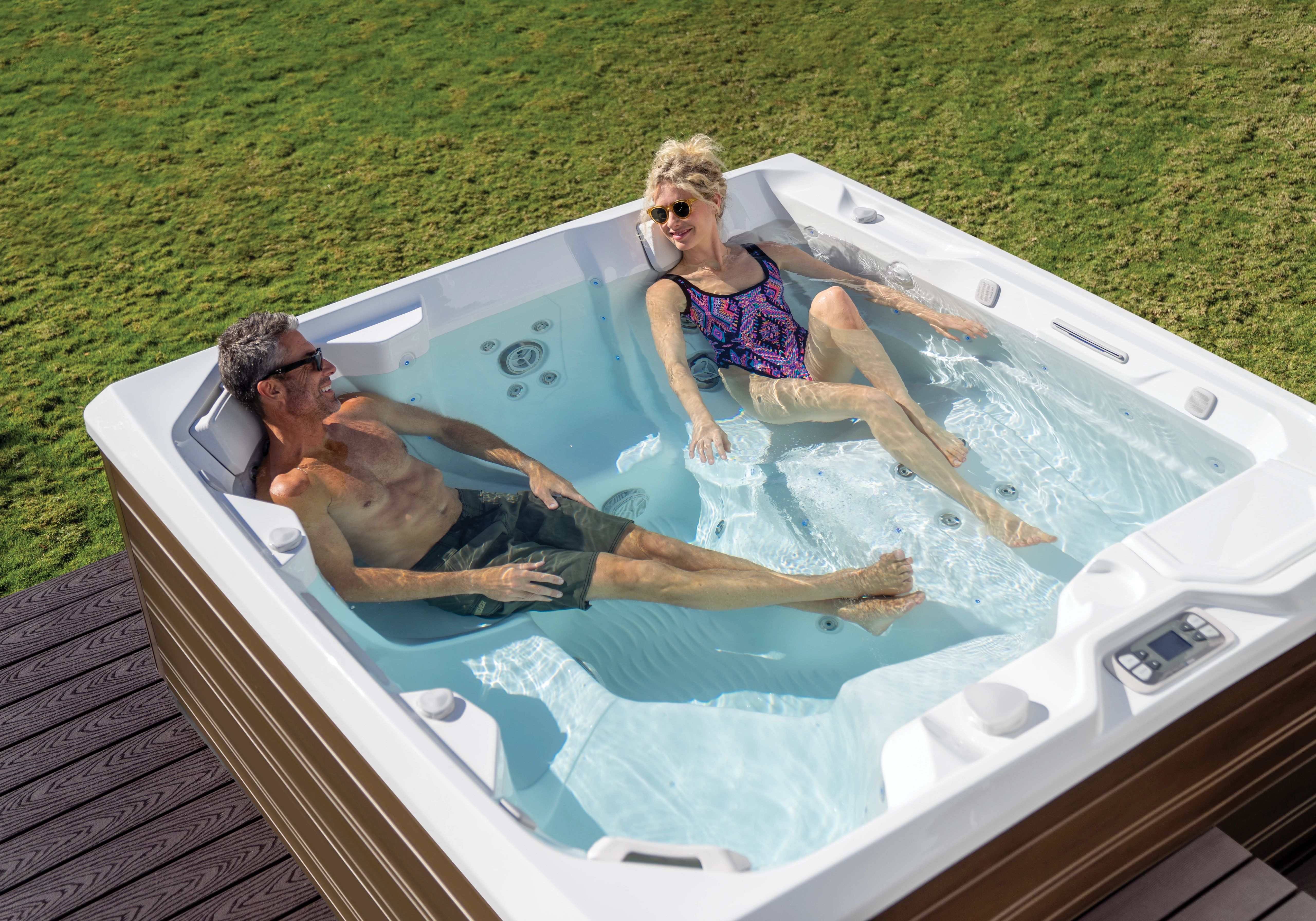
A hot tub becomes a natural gathering point during summer, and with a little planning, it can be the highlight of a garden party. The key is preparation. Before guests arrive, make sure the water is freshly balanced, the filters are clean, and the temperature is set to a comfortable level for the weather. If it is a particularly warm day, dropping the temperature to around 28°C to 34°C means guests can soak comfortably for longer without overheating.
Keep a good supply of fresh towels nearby and have a small outdoor table or spa tray for drinks. Jugs of Pimm's, cold lemonade, or sparkling water work perfectly. Staying hydrated is genuinely important when soaking, even in cooler water, so having drinks within easy reach encourages guests to pace themselves sensibly.
One practical note: more guests means more contaminants entering the water. After a party, shock the water with a non-chlorine shock treatment and check the chemical balance the following morning. This keeps the water in good condition and ready for your next use.
A Splash Pool for the Kids During the Summer Holidays
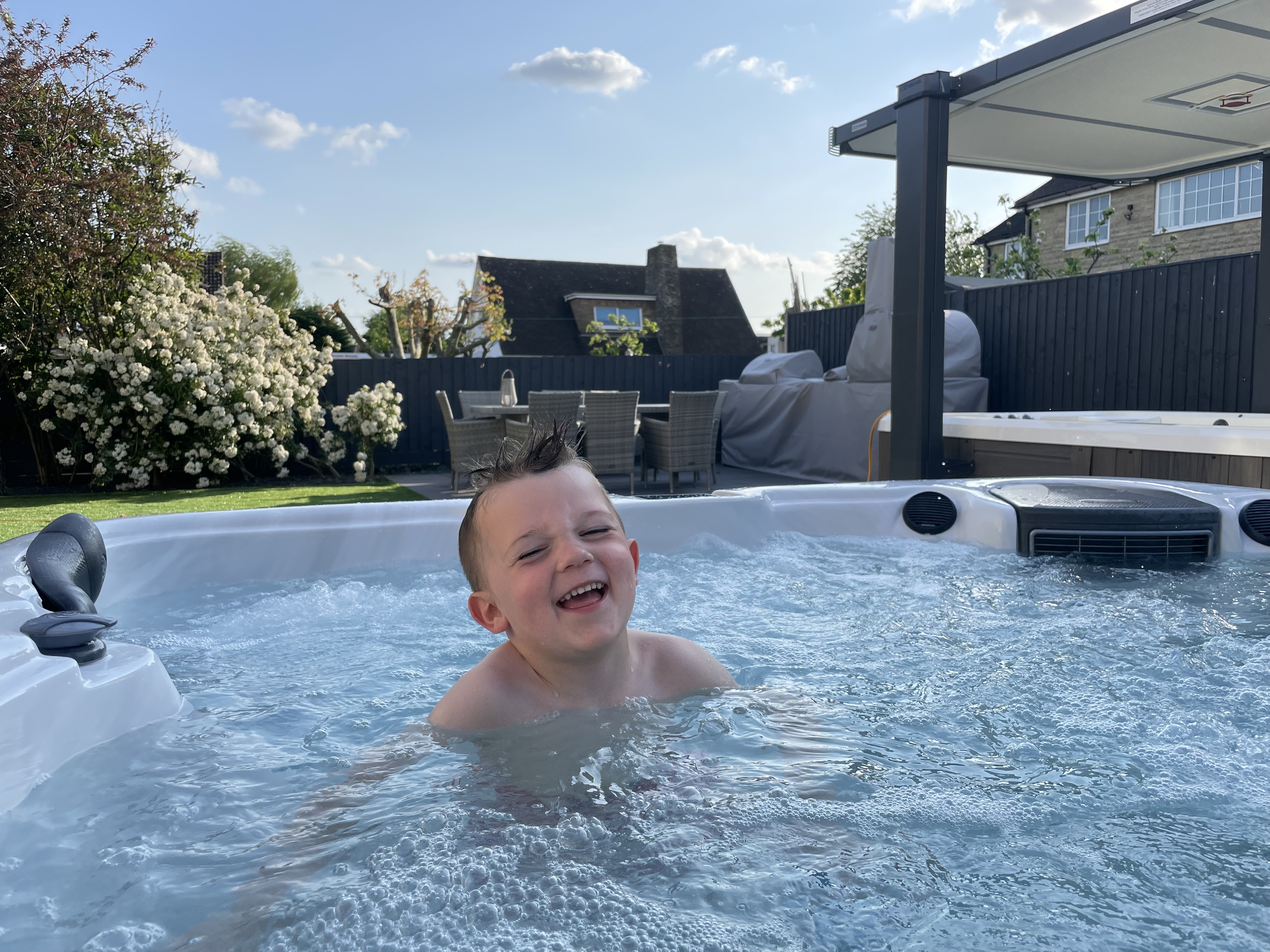
If you have children at home during the school holidays, your hot tub can become one of the most popular spots in the garden. By turning the temperature right down to around 25°C to 30°C, the water becomes genuinely cool and refreshing, much more like a splash pool than a spa. For younger children especially, this is an exciting novelty that keeps them entertained on warm afternoons without the need for a full-sized swimming pool.
The jets add to the fun too. Children love the bubbles and the sensation of the water moving around them, and at a lower temperature there is no concern about them overheating during a longer session. It is worth setting some simple ground rules before they jump in, no diving, no glassware nearby, and a quick rinse under the shower first to keep the water clean for longer. As with any body of water, children should always be supervised by an adult while using the hot tub, and the cover should be securely locked whenever it is not in use.
One thing to bear in mind is that heavier use during the holidays will put more demand on your water chemistry. More bodies in the tub, more sun cream, and more frequent use means you should be testing the water daily rather than every few days. A quick check with test strips takes less than a minute and can save you from a much bigger job if the balance drifts too far. After a particularly busy day with the kids, a dose of non-chlorine shock overnight will keep everything fresh and ready for the next morning.
Common Mistakes to Avoid in Summer
A few patterns come up repeatedly when we speak to hot tub owners about their summer experience.
Leaving the temperature unchanged. Keeping the water at full winter temperature in July is uncomfortable and wasteful. It takes only a moment to adjust the thermostat, and the difference in comfort and running cost is significant.
Neglecting water care during busy periods. Summer holidays, garden parties, and children using the tub more frequently all increase the demand on your water chemistry. Sticking to a regular testing routine, even when life is busy, prevents bigger problems from developing.
Ignoring the cover. The thermal cover is one of the most important pieces of equipment you own. Leaving the tub uncovered for extended periods in summer allows UV light to degrade the water chemistry, increases evaporation, and lets debris into the water. A good-quality, well-fitting cover pays for itself many times over.
Buying on price alone. A cheaper inflatable tub might seem appealing for summer use, but the running costs, limited durability, and lack of insulation often make them a false economy. A quality hard-shell tub from a reputable dealer will serve you far better over the long term.
Frequently Asked Summer Questions
Can I leave my hot tub running all summer even if I am away on holiday? Yes, and in most cases it is better to leave it running than to drain it down. Keeping the filtration and heating ticking over at a lower temperature maintains the water quality and protects the equipment. If you are away for more than a week, ask someone to check the chemical levels while you are gone, or speak to your dealer about a holiday mode setting.
Should I put my hot tub in the shade or in the sun? Shade is generally better, particularly in summer. Direct sunlight degrades the UV stabilisers in your water chemistry more quickly, which means you will use more chemicals to keep the balance right. A pergola, shade sail, or a naturally shaded spot in the garden will help protect both the water and the shell of the tub over time.
How do I stop insects and debris getting into the water in summer? The simplest answer is to keep the cover on whenever the tub is not in use. A well-fitting thermal cover keeps out leaves, insects, and airborne debris. If your cover is old, warped, or no longer sits flush, it is worth replacing it. A cover that does not seal properly is also losing heat unnecessarily.
Is it safe to drink alcohol in a hot tub? This is a question that comes up a lot, particularly around summer entertaining. The honest answer is that alcohol and hot water are not a great combination, as both cause dehydration and the heat of the water amplifies the effects of alcohol. If guests want a drink while soaking, keeping the temperature lower and sticking to soft drinks or water is the sensible approach. Glass should never be used in or around the tub.
Can I add anything to the water to make it smell nice? Yes, there are spa-specific aromatherapy products designed to be used safely in hot tubs. These are different from standard bath bombs or essential oils, which can damage the filtration system and throw your chemical balance off. Always use products that are specifically formulated for hot tub use.
How long does it take to heat a hot tub from cold? This depends on the size of the tub and the power of the heater, but most quality hot tubs will heat from cold to around 38°C in eight - twelve hours. In summer, because the ambient temperature is warmer, this can be noticeably quicker. If you are planning a specific session, it is worth setting the temperature the evening before to make sure it is ready.
Conclusion
Your hot tub is not a winter-only luxury. With a few straightforward adjustments, it becomes one of the most enjoyable and versatile features of your garden throughout the summer months. Lower the temperature, stay on top of your water care, and use it as a social space for warm evenings and gatherings, and you will wonder why you ever left the cover on.
If you have landed on this article because you are researching getting a hot tub, our best advice is to visit showrooms, sit in hot tubs, try them out, ask questions, and get expert advice. If you are local to Oxfordshire, we are open seven days a week at Hot Tubs Oxfordshire. You can book a visit here.


